7 Essential Steps to Understand and Detect a Rug Pull
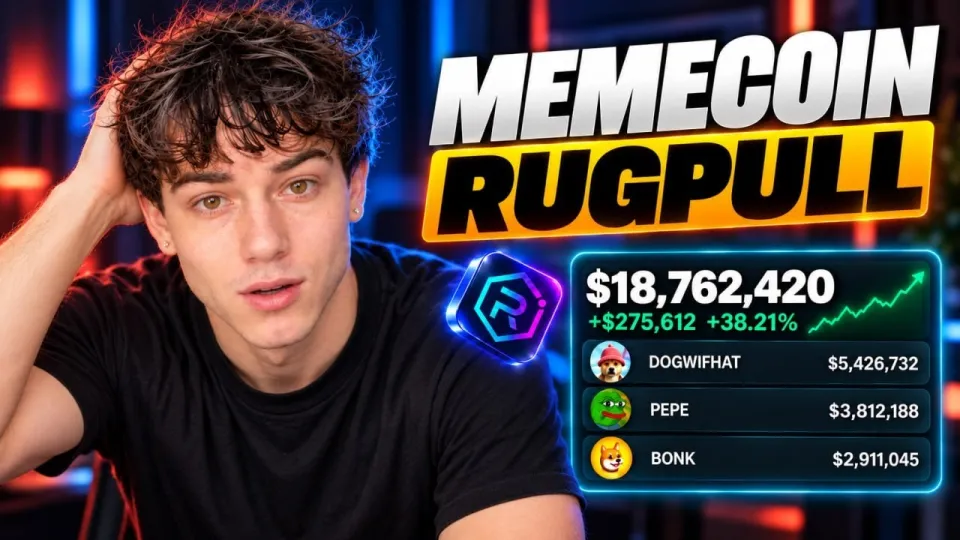
Video: Rug Pull Tutorial | Rug Pull and Creating a Solana Meme Coin
· based on the channel MC STUDIO
Key takeaways
- Rug pulls involve sudden liquidity removal causing token value crash
- Solana meme coins can be created and launched via pump.fun and Raydium
- Token authorities control minting, freezing, and liquidity deployment
- Common red flags include locked liquidity absence and sudden token supply changes
- DYOR and security checks mitigate risks of investing in meme coins
Rug pulls are a deceptive practice in the cryptocurrency market where developers or insiders suddenly withdraw liquidity from a token, causing its price to collapse and leaving investors with worthless assets. Understanding how rug pulls work, especially in the context of Solana meme coins, is crucial for both developers and investors to avoid losses and make informed decisions. This article explains the creation and launch of Solana meme coins, the technical mechanics behind liquidity and token supply, and the common signs of rug pulls.
How Solana Meme Coins Are Created and Launched
Creating a meme coin on Solana involves setting up a token with specific parameters such as total supply, mint authority, and freeze authority. Platforms like Specmint provide no-code tools to create SPL tokens quickly without deep coding knowledge. After the token is created, liquidity must be deployed on decentralized exchanges (DEXes) like Pump.fun and Raydium to allow trading.
Launching through pump.fun involves bonding curves that define token pricing based on supply and demand, while Raydium provides liquidity pools where users can swap tokens and add liquidity. The token’s authorities control minting new tokens or freezing transfers, which can be exploited if misused.
Understanding Token Supply, Authorities, and Liquidity
Token supply represents the total amount of tokens available. The mint authority can create or burn tokens post-launch, impacting supply and price dynamics. Freeze authority can halt transfers, which might be used maliciously.
Liquidity refers to the locked assets in pools that facilitate token swaps without drastic price changes. Locked liquidity is a safety measure to prevent rug pulls. If liquidity is unlocked or controlled solely by the developers, it poses a significant risk.
What Is a Rug Pull and How Does It Happen?
A rug pull occurs when the token creators remove liquidity from the pool, effectively draining funds and crashing the token price. This is often done shortly after a token launch or during a pump phase when prices and hype are high.
Manipulation tactics include minting large token amounts to dilute value, revoking liquidity locks, or using authorities to freeze or disable token transfers. These actions leave regular investors unable to sell or recover their investments.
Common Rug Pull Patterns and Warning Signs
Investors should watch for these red flags:
- No or unlocked liquidity lock: Liquidity can be pulled anytime.
- Single wallet control of liquidity: Centralized control increases risk.
- Excessive or changing mint authority: The ability to mint more tokens can dilute value.
- Unverified or anonymous developers: Lack of transparency.
- Unusual token holder distribution: Concentrated holdings in few wallets.
- Rapid price pumps followed by crashes: Indicative of pump-and-dump schemes.
How to Perform Essential Security Checks Before Buying New Tokens
Security audits and on-chain analysis tools help evaluate token contracts and liquidity status. Checking the token’s mint and freeze authority, verifying liquidity locks on platforms like Raydium, and analyzing wallet distribution can reveal risks.
Developers and investors should DYOR (Do Your Own Research) extensively and use tools like Dexscreener or Birdeye for token tracking on Solana.
Why Understanding Rug Pulls Matters for Developers and Investors
Awareness of rug pull mechanics helps developers design safer token contracts by disabling or renouncing mint authorities and locking liquidity. Investors gain the ability to spot scams early and avoid financial losses.
The Solana ecosystem’s fast token creation capabilities increase the risk of scams, making education and caution vital.
Useful Links
- Create your meme coin at Specmint — no-code token creation platform
Summary
Rug pulls are a major threat in the crypto space, especially with meme coins on Solana. By understanding token creation, supply control, liquidity management, and common scam patterns, investors can better protect themselves. Always perform security checks before investing and be cautious of red flags such as unlocked liquidity or suspicious authority controls. The channel MC STUDIO provides comprehensive tutorials and insights to help navigate these risks and educate both developers and traders. Visit Specmint to start creating tokens responsibly and learn more about safe launches.
Questions & answers
What is a rug pull in cryptocurrency?
A rug pull is a scam where token creators suddenly withdraw liquidity from a token pool, causing the token's price to crash and leaving investors with worthless tokens.
How can I spot a potential rug pull?
Look for unlocked liquidity, centralized control of token supply, suspicious wallet distributions, anonymous developers, and sudden price pumps followed by crashes as common warning signs.
What role does liquidity play in rug pulls?
Liquidity locked in pools enables smooth token trading; if liquidity is unlocked or controlled by scammers, it can be removed abruptly, causing a rug pull.
How can developers prevent rug pulls?
Developers can renounce mint authority, lock liquidity permanently, and ensure transparent tokenomics to reduce the risk of rug pulls and build investor trust.
Source: Rug Pull Tutorial | Rug Pull and Creating a Solana Meme Coin · Markdown version